
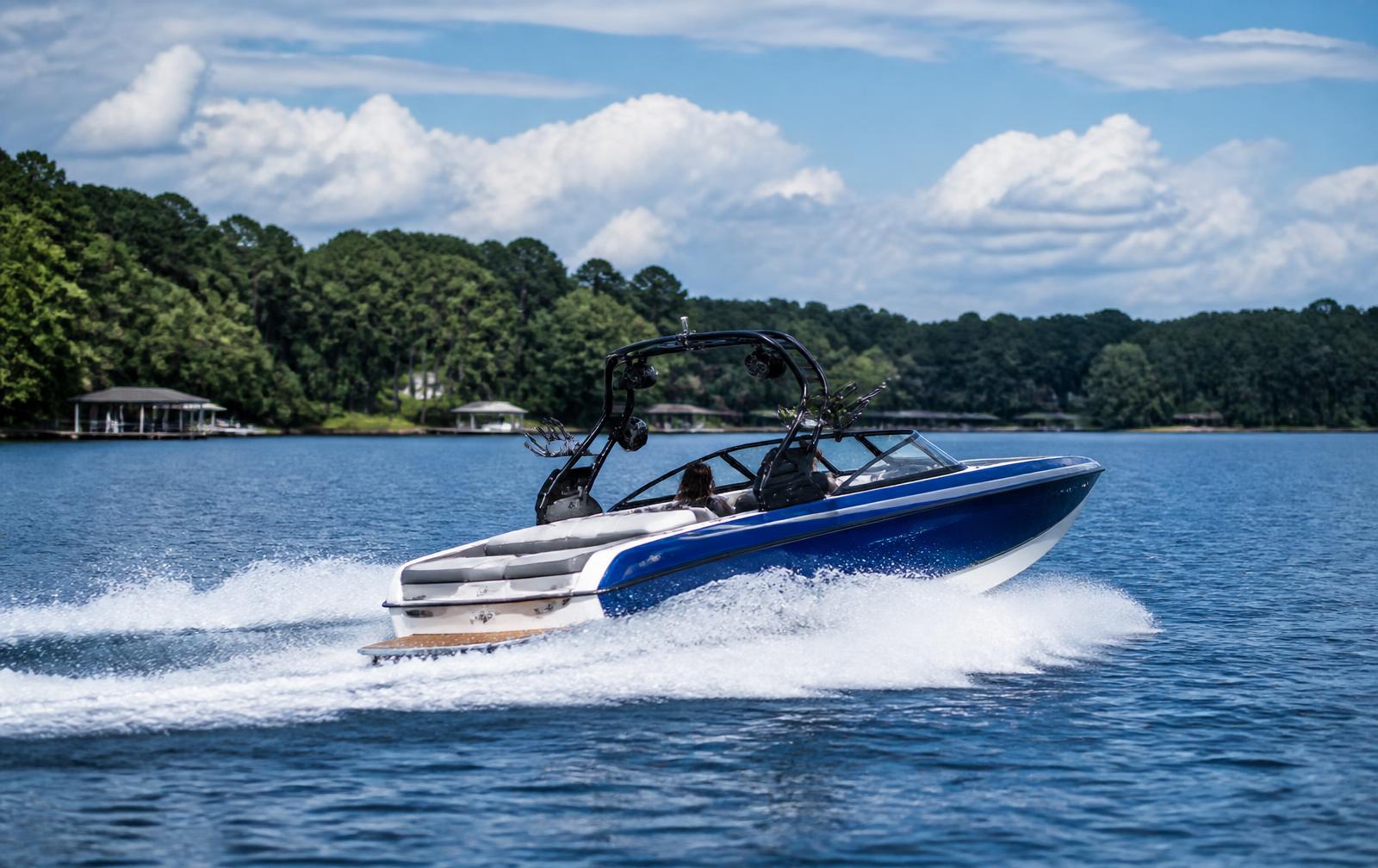
Lake Wylie rewards boaters who understand that it is a managed reservoir, not a natural lake. Duke Energy administers the water and the land below full pond as part of the Catawba-Wateree project, and nearly every question that matters — can I build a dock, how big, how deep is it at the end of my pier — traces back to that fact. Here is the practical version.
Docks and Permitting
A new dock or a significant modification generally requires permitting under Duke Energy's Shoreline Management Plan, and inside The Sanctuary it also requires community architectural review first. The sequence matters: design, community review, then Duke submission. Builders who work this lake regularly move straightforward docks through in a matter of months; buyers who submit cold, without local guidance, are the ones who wait.
Permitting outcomes depend on the shoreline classification of your specific segment, water depth at the proposed pierhead, cove width, and distance to neighboring structures. Some shoreline is classified for environmental protection and supports no new private dock at all — which is why a lot marketed as waterfront should never be assumed to be dockable.
Depth, Coves and Exposure
Deep-water lots — those that hold usable depth at a standard pier through normal operating levels — carry a real premium, because they support larger boats and stay usable all year. Shallow back-cove lots are quiet and beautiful but may limit you to smaller craft or require a longer, costlier pier. Cove width affects both maneuvering and how much afternoon chop and wind you take. Measure depth yourself, in person, before contract.
Water Levels
Lake Wylie is one of the more stable reservoirs in the Catawba chain, held within a comparatively narrow band around full pond. Compared with lakes upstream that see deep seasonal drawdowns, this means docks and lifts stay in service and the shoreline looks the same in February as in July. Design lifts for normal fluctuation anyway.
Boat Sizing
Most residents run 20 to 28 foot runabouts, wake boats and pontoons at private docks — the right size for a lake whose pleasure is coves and short runs rather than open-water crossings. Larger cruisers work well on the main channel and are commonly kept at full-service marinas with deeper slips and service on site.
Marinas and Services
Several full-service marinas operate around the lake, offering fuel, dry storage, mechanical service, ship's stores and larger slips within a short cruise or drive of the community. For owners of interior homesites at The Sanctuary, a marina slip plus the community's launches at Camp Sanctuary is a common and very workable arrangement.
Two States, Two Rulebooks
The state line runs through this part of the lake, so registration, boating safety education requirements and enforcement can differ depending on where a vessel is registered and operated. Confirm both states' requirements — it is a five-minute exercise that occasionally saves a citation.
Boating From The Sanctuary
Waterfront homesites here support private docks with covered slips, lifts and pavilion structures, subject to review and permitting. Interior homesites access the water through Camp Sanctuary's launches, community kayaks and paddleboards, and the lake beach. Because much of the community's shoreline is buffered by permanently protected forest rather than by neighboring lawns, the water immediately off The Sanctuary is unusually quiet for a lake this close to a major city.
Before You Buy Waterfront
- Confirm shoreline classification and dock eligibility in writing
- Measure depth at the proposed pierhead through normal operating levels
- Verify any existing dock's permit status and transferability
- Check cove width, boat traffic and afternoon wind exposure
- Price the dock, lift and shoreline work as part of the land budget, not after
- Confirm the architectural review timeline before you plan construction